Best Flooring for Basements in Ontario | Basement Flooring Guide Skip to content
Basement Flooring Guide

Best Flooring for Basements in Ontario Homes

Choosing the right basement flooring means balancing moisture resistance, durability, comfort, appearance, and long-term performance. Explore the best flooring options for finished basements, renovation projects, and modern living spaces across Vaughan, Richmond Hill, Markham, and the GTA.

Basement Flooring Comparison

Best Flooring Options for Finished Basements

Basement flooring should be durable, moisture-resistant, easy to maintain, and comfortable for everyday living. The right material depends on how the basement is used, moisture conditions, subfloor preparation, and long-term maintenance expectations.

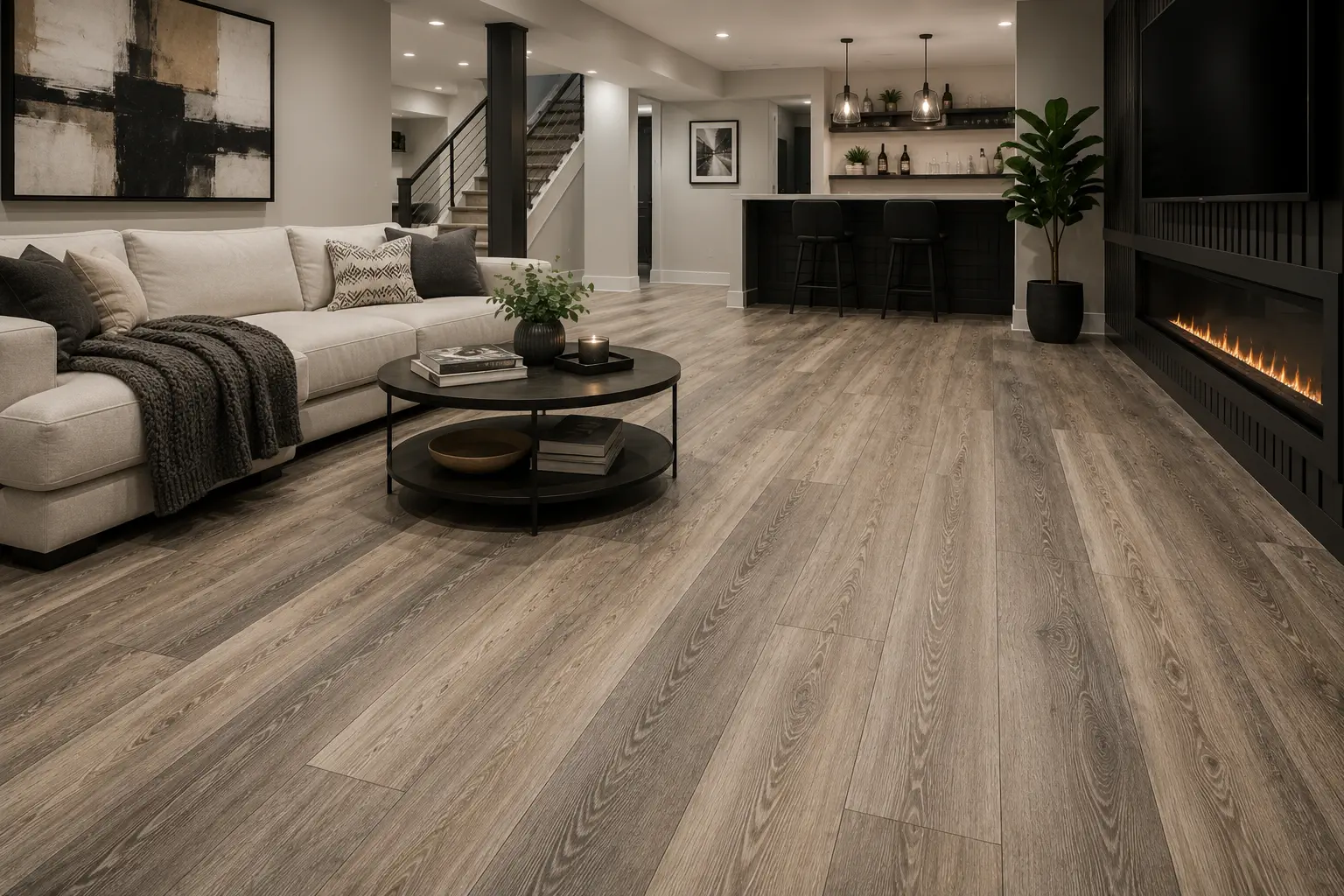
Luxury vinyl plank flooring for finished basements
Most Recommended

Luxury Vinyl Plank (LVP)

Luxury vinyl plank flooring is one of the best choices for finished basements because it combines water resistance, durability, comfort, and modern appearance.

  • Excellent moisture resistance for basement environments
  • Comfortable underfoot compared to tile flooring
  • Available in wood-look and modern finishes
  • Low maintenance and easy cleaning
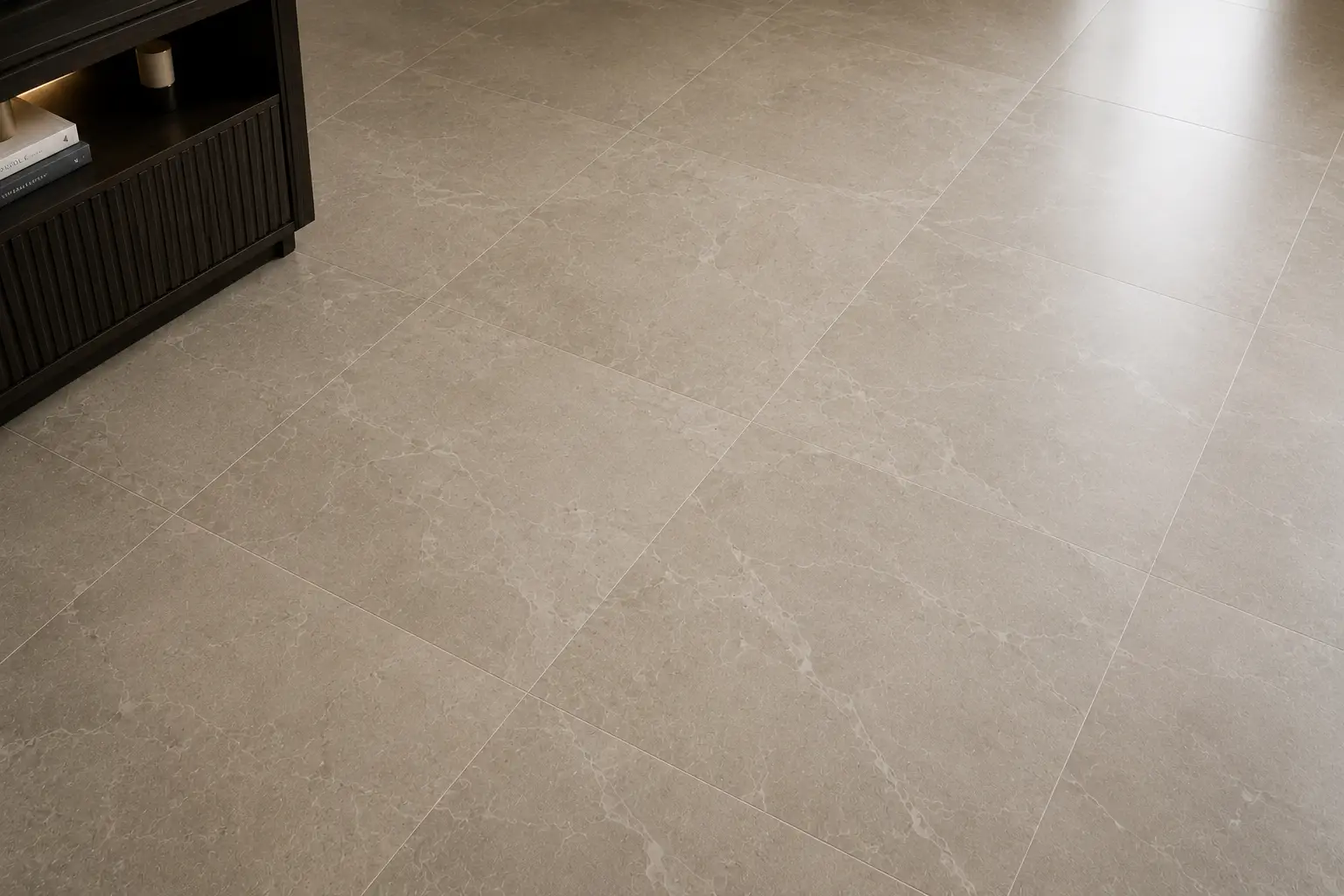
Tile flooring for basement renovation projects
High Moisture Areas

Porcelain & Ceramic Tile

Tile flooring works well in basements with potential moisture exposure and provides excellent long-term durability.

  • Very resistant to water and humidity
  • Ideal for basement bathrooms and laundry areas
  • Long-lasting with minimal wear
  • Pairs well with radiant floor heating systems
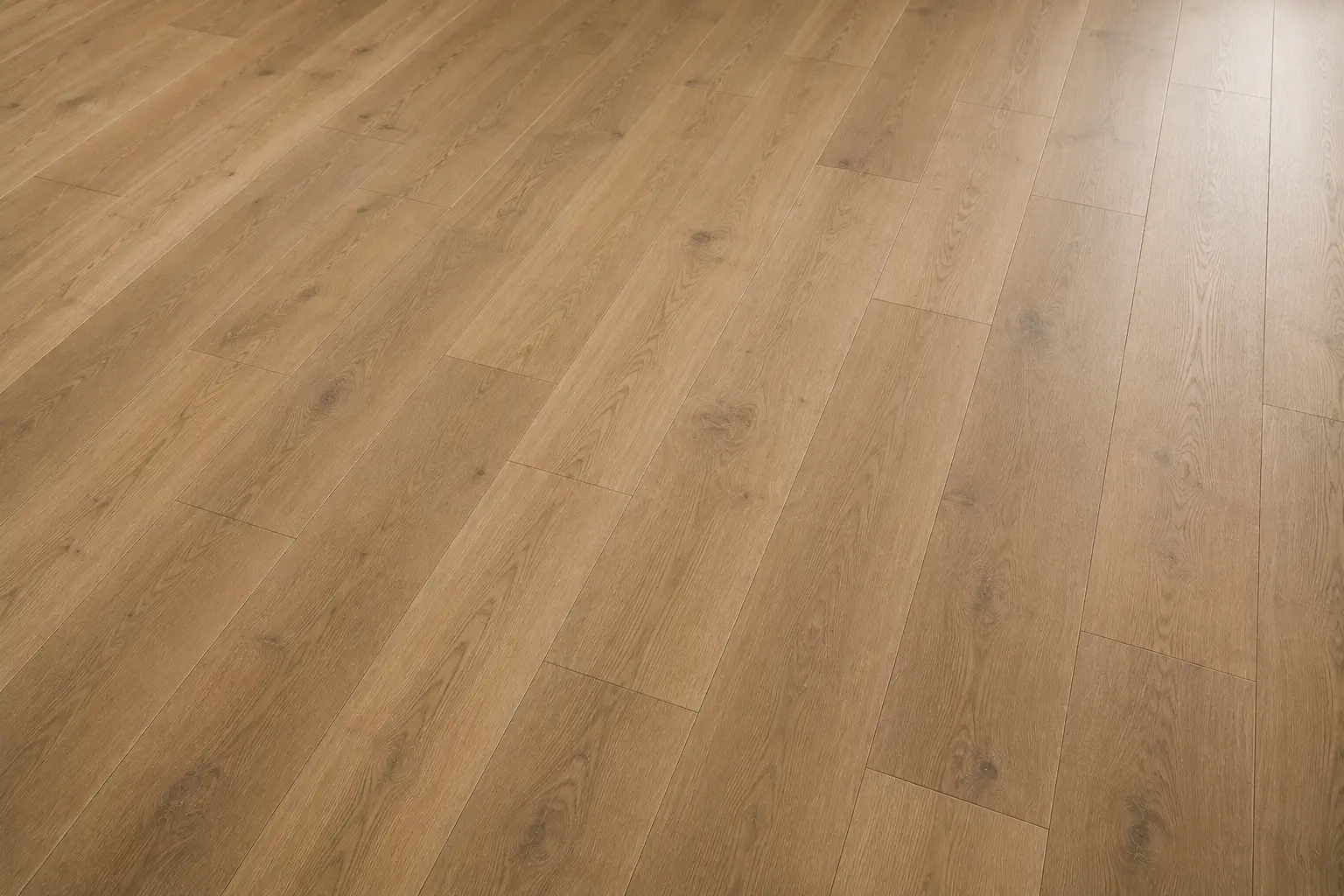
Engineered hardwood flooring in finished basement
Premium Appearance

Engineered Hardwood

Engineered hardwood can work in dry, climate-controlled basements, but proper moisture preparation is critical.

  • Natural wood appearance and premium finish
  • Better stability than traditional hardwood
  • Requires professional subfloor preparation
  • Not recommended for damp basement conditions
Basement Flooring Preparation

Moisture Protection Matters More Than Flooring Style

Even the best basement flooring materials can fail if the concrete subfloor, moisture barrier, or humidity conditions are ignored. Proper preparation helps prevent warping, mold growth, lifting, and long-term flooring damage.

Before installing luxury vinyl plank, tile, or engineered hardwood flooring, basement conditions should be checked for moisture levels, cracks, temperature changes, and subfloor stability.

Why Basement Flooring Fails

Most basement flooring problems are caused by hidden moisture issues, poor subfloor preparation, improper underlayment, or installing flooring materials not designed for below-grade spaces.

Basement Flooring Mistakes

Common Basement Flooring Mistakes Homeowners Make

Basement flooring performance depends on moisture protection, subfloor preparation, installation quality, and selecting the right flooring material for below-grade spaces.

Ignoring Moisture Conditions

Moisture problems are one of the leading causes of basement flooring failure. Even premium flooring materials can become damaged without proper preparation.

  • Hidden humidity can damage flooring over time
  • Concrete moisture testing is often skipped
  • Moisture barriers may be installed incorrectly
  • Below-grade spaces require proper airflow planning

Choosing Flooring Based Only on Appearance

Basement flooring should balance visual appearance with durability, comfort, maintenance, and long-term moisture resistance.

  • Some materials feel cold in basement environments
  • Low-quality products wear out faster
  • Cheap laminate can swell from humidity
  • Improper flooring affects comfort and acoustics

Poor Subfloor Preparation

Uneven concrete surfaces and improper preparation create flooring movement, gaps, noise, and premature wear.

  • Concrete leveling improves flooring stability
  • Subfloor cracks should be repaired first
  • Debris affects flooring installation quality
  • Preparation directly impacts final appearance

Installing the Wrong Underlayment

Proper underlayment improves insulation, comfort, sound reduction, and long-term basement flooring performance.

  • Incorrect underlayment reduces flooring lifespan
  • Moisture-resistant systems are important
  • Sound insulation improves basement comfort
  • Professional installation improves durability
Basement Flooring Questions

Frequently Asked Questions About Basement Flooring

Basement flooring should be selected based on moisture resistance, durability, comfort, installation quality, and long-term maintenance. These are some of the most common questions homeowners ask before finishing a basement renovation project.

What is the best flooring for a finished basement?

Luxury vinyl plank flooring (LVP) is one of the most recommended basement flooring options because it combines moisture resistance, durability, comfort, and modern appearance.

Porcelain tile is also a strong option for basements with higher moisture exposure, while engineered hardwood works best in dry, climate-controlled basement spaces.

Is laminate flooring good for basements?

Standard laminate flooring is usually not the best choice for basements because moisture and humidity can cause swelling, lifting, and long-term damage.

Waterproof vinyl plank flooring generally performs better in below-grade environments and requires less maintenance over time.

Do basement floors need a moisture barrier?

In most basement renovation projects, a moisture barrier or appropriate underlayment is highly recommended to help protect flooring materials from concrete moisture and humidity.

Proper moisture protection improves flooring lifespan, reduces mold risk, and helps maintain long-term basement comfort.

Can engineered hardwood be installed in basements?

Engineered hardwood can work in dry finished basements with stable humidity levels, proper subfloor preparation, and professional installation.

However, basements with moisture concerns are generally better suited for luxury vinyl plank or tile flooring systems.

What flooring is best for basement comfort?

Luxury vinyl plank flooring is often considered one of the most comfortable basement flooring options because it feels warmer and softer underfoot than tile.

Proper underlayment and insulation also improve basement comfort, sound reduction, and temperature control.

Final Basement Flooring Recommendation

What Basement Flooring Should You Choose?

The best basement flooring depends on moisture conditions, comfort expectations, durability requirements, and the overall purpose of the finished basement space.

For most Ontario basements, luxury vinyl plank flooring remains the best overall option because it combines water resistance, durability, comfort, and modern appearance with relatively low maintenance.

9.5
Luxury Vinyl Plank (Best Overall)

Ideal for finished basements, family rooms, entertainment spaces, and long-term durability with strong moisture resistance.

8.8
Porcelain Tile (Best for Moisture)

Excellent for basement bathrooms, laundry areas, and moisture-prone environments requiring maximum durability.

7.6
Engineered Hardwood (Premium Appearance)

Best suited for dry, climate-controlled finished basements focused on warmth, aesthetics, and upscale design.

×
Request a Free Quote

Receive a free quote by filling out the form below.
We will be in touch with you shortly.